

🌱 Introduction
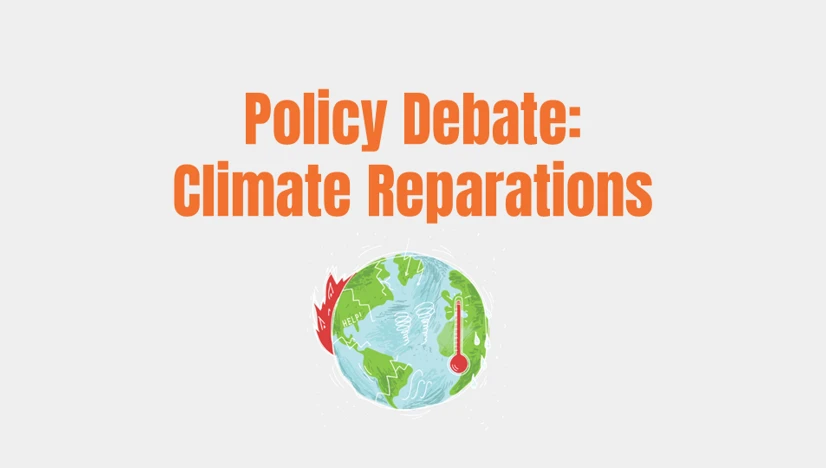
As climate change intensifies floods, droughts, heatwaves, and sea-level rise, a growing global debate has emerged around climate reparations — financial compensation from historically high-emitting countries to nations most affected by climate impacts. This concept has gained momentum in international climate negotiations, particularly under the “loss and damage” framework.
🌍 What Are Climate Reparations?
Climate reparations refer to financial, technical, or developmental support provided to vulnerable countries to:
-
Recover from climate-induced disasters
-
Adapt to long-term climate impacts
-
Address irreversible losses such as land submergence or ecosystem collapse
The idea is rooted in the principle of common but differentiated responsibilities, recognized by the United Nations Framework Convention on Climate Change (UNFCCC).
🏛️ Role of International Climate Mechanisms
Global platforms such as:
-
COP climate summits
-
Green Climate Fund (GCF)
-
Loss and Damage Fund
are designed to mobilize and distribute climate finance. These mechanisms aim to ensure transparency, accountability, and targeted use of funds.
🌐 Challenges in Implementation
Despite global consensus on climate responsibility, several challenges persist:
-
Defining eligibility for compensation
-
Assessing the scale of climate-induced losses
-
Ensuring timely and adequate funding
-
Balancing national sovereignty with financial oversight
These challenges highlight the complexity of operationalizing climate reparations on a global scale.
🌱 Why It Matters for Climate Action
Climate reparations are increasingly viewed as a key pillar of climate justice and adaptation financing. Their effectiveness will influence:
-
Global trust in climate agreements
-
Resilience of vulnerable regions
-
Long-term cooperation on emission reduction