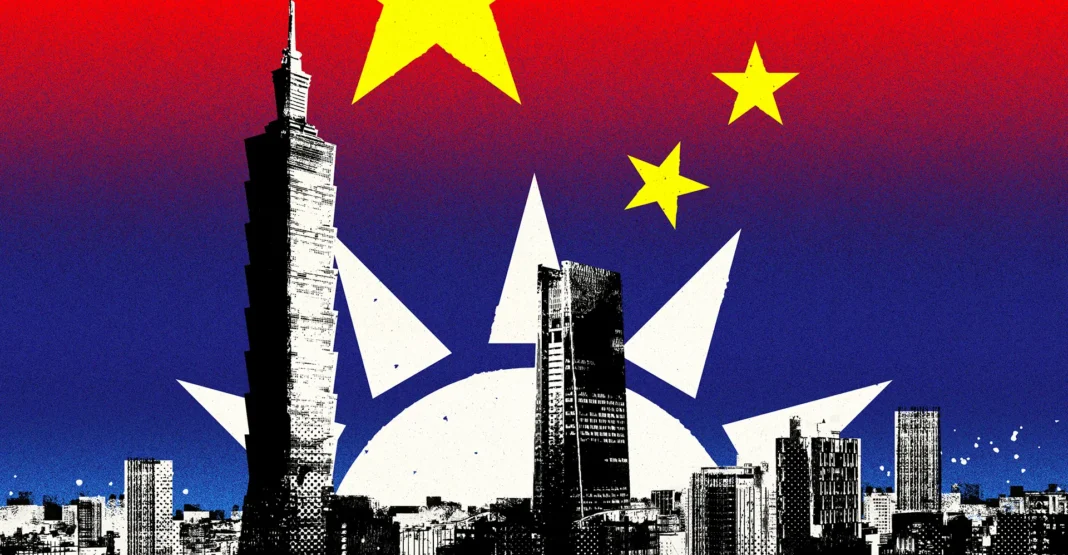


The Red Sea, one of the world’s most critical maritime corridors, has suddenly turned into a high-risk geopolitical hotspot. What was once a predictable trade route connecting Asia, Europe, and Africa is now at the center of missile attacks, drone strikes, and naval deployments. At the heart of this disruption are Yemen’s Houthi rebels, whose actions are reshaping not just global trade—but also international power politics.
🚢 Why the Red Sea Matters So Much
Roughly 12–15% of global trade passes through the Red Sea via the Bab el-Mandeb Strait and the Suez Canal. This includes oil, gas, food supplies, electronics, and consumer goods. Any disruption here sends shockwaves across global supply chains, increases shipping costs, and fuels inflation worldwide.
For decades, this route symbolized economic efficiency. Today, it represents geopolitical vulnerability.
🚀 Who Are the Houthis and Why Are They Attacking?
The Houthis are an Iran-backed armed group controlling large parts of Yemen. Since the escalation of the Israel–Hamas conflict, the Houthis have targeted commercial ships in the Red Sea, claiming solidarity with Palestinians and warning vessels linked to Israel or its allies.
Using drones, anti-ship missiles, and fast attack boats, the Houthis have proven that even non-state actors can challenge global trade arteries—something traditionally dominated by powerful navies.
⚔️ Global Powers Step In
The attacks triggered swift responses from major powers:
-
United States & UK: Launched airstrikes on Houthi military targets and formed a naval coalition to protect shipping.
-
European Union: Deployed naval missions to escort commercial vessels.
-
China & Russia: Publicly called for de-escalation, while quietly benefiting as Western shipping costs rise.
This has turned the Red Sea into a live geopolitical chessboard, where military presence is as much about influence as it is about security.
📦 Impact on Global Trade & Economy
The immediate effect has been economic:
-
Major shipping companies rerouted vessels around the Cape of Good Hope, adding 10–15 days to journeys.
-
Shipping costs surged, raising prices of fuel, food, and consumer goods.
-
Insurance premiums for Red Sea transit skyrocketed.
For developing economies, especially in Africa and South Asia, these disruptions threaten food security and economic stability.
🌍 A New Era of Asymmetric Warfare
What makes this crisis alarming is not just the attacks—but who is carrying them out. The Houthis demonstrate how relatively low-cost weapons can challenge trillion-dollar global trade systems. This marks a shift toward asymmetric maritime warfare, where non-state actors wield disproportionate influence.
This trend worries global powers, as it lowers the threshold for future disruptions in other strategic chokepoints like the Strait of Hormuz or the South China Sea.
🧠 The Bigger Geopolitical Picture
The Red Sea crisis reflects deeper global tensions:
-
Iran expanding influence through proxy groups
-
The US struggling to maintain global maritime dominance
-
Europe caught between security dependence and economic vulnerability
-
Rising multipolar competition where every conflict has global consequences
It’s no longer just about Yemen or Gaza—it’s about who controls global trade routes in a fractured world order.
🔮 What Lies Ahead?
Unless a broader Middle East de-escalation occurs, the Red Sea is likely to remain volatile. Continued attacks could normalize armed disruptions of trade routes, forcing nations to rethink naval security, trade dependencies, and geopolitical alliances.
The Red Sea crisis is a reminder: in today’s world, wars are no longer confined to borders—they sail through supply chains.