
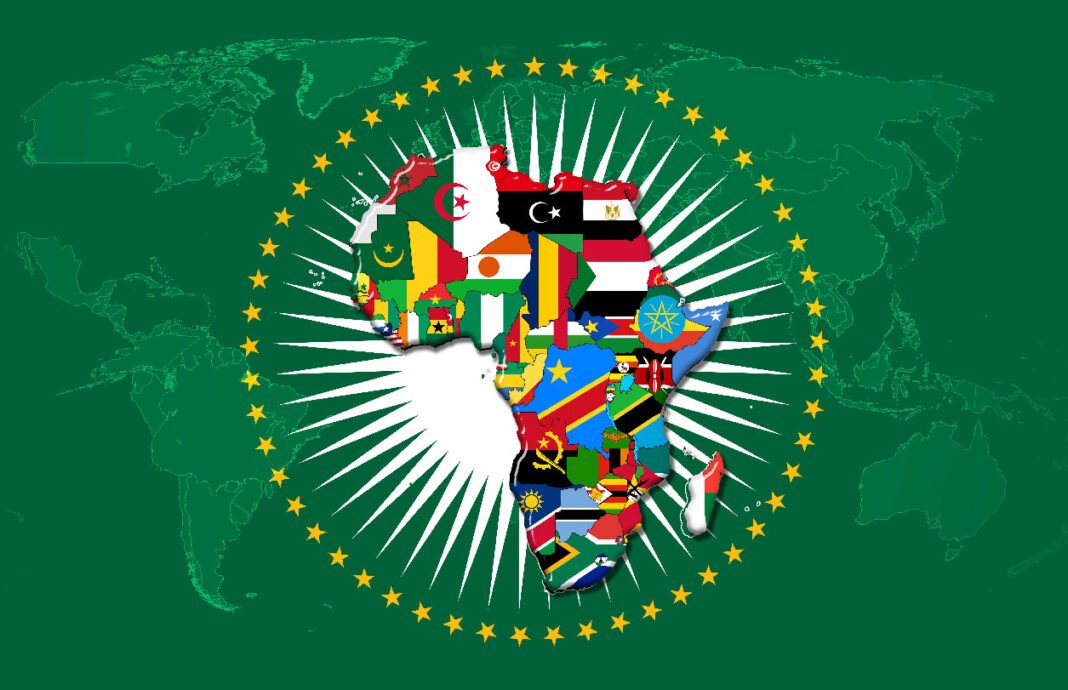
Africa is rapidly emerging as one of the most contested regions in global geopolitics. Once viewed mainly through the lens of development and aid, the continent is now at the center of an intense influence war involving global and regional powers. From strategic minerals to military bases and diplomatic alliances, Africa has become a decisive arena shaping the future balance of power.
Strategic Resources Driving Global Interest
Africa holds some of the world’s most critical resources for modern economies:
-
Cobalt, lithium, and rare earths essential for clean energy and technology
-
Oil and gas reserves that influence global energy markets
-
Vast agricultural potential amid global food insecurity
As competition for these resources intensifies, global powers see Africa not just as a supplier—but as a strategic necessity.
China’s Expanding Footprint
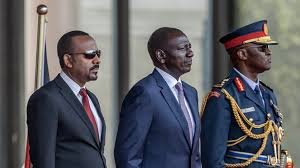
China has become one of Africa’s most influential external actors through infrastructure investments, trade partnerships, and strategic financing. Ports, railways, and industrial zones built under Chinese-backed initiatives have reshaped African economies.
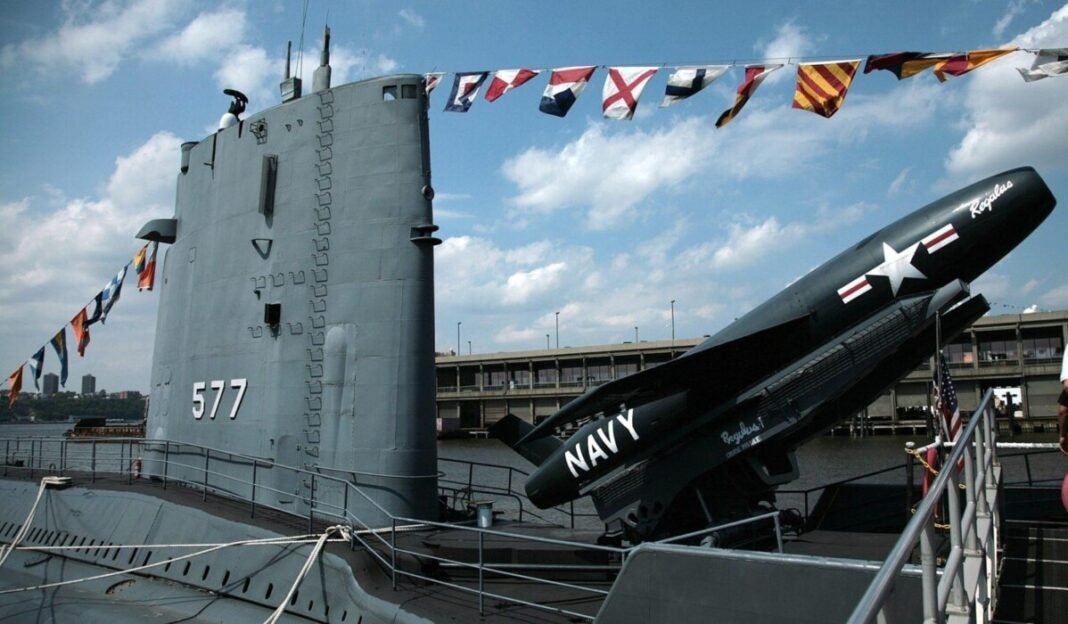
Beyond economics, China’s first overseas military base in Djibouti signals a broader security ambition, challenging traditional Western dominance on the continent.
Western Influence Under Pressure
The United States and Europe remain deeply engaged in Africa, but their influence is facing increasing resistance. Conditional aid, governance demands, and military interventions have generated skepticism in several African capitals.
As a result, many African nations are diversifying partnerships—seeking alternatives that offer economic benefits without political pressure.
Russia’s Security-First Strategy
Russia has expanded its presence through security cooperation, arms deals, and military advisory roles in parts of Africa. By positioning itself as a reliable security partner, Moscow has gained influence in regions facing internal instability.
This approach allows Russia to project power at relatively low cost while complicating Western strategic interests.
Africa’s Strategic Autonomy
Perhaps the most overlooked factor is Africa’s own agency. Many African nations are no longer passive players—they are strategic actors leveraging global competition to their advantage.
By balancing relationships among rival powers, African states are asserting autonomy, reshaping diplomacy, and redefining their role in the international system.
Why This Competition Matters Globally
Africa’s geopolitical importance extends beyond the continent:
-
Control over supply chains impacts global industries
-
Security dynamics affect international trade routes
-
Diplomatic alignment influences global institutions
The outcome of influence wars in Africa will shape global power distribution for decades.
Conclusion: A Continent at the Center of Power Politics
Africa is no longer on the sidelines of global geopolitics—it is at the center of it. As global powers compete for influence, the continent’s choices will play a decisive role in shaping the future world order.
The new geopolitical battlefield is not defined by trenches or borders, but by partnerships, power, and strategic vision—and Africa stands at its heart.