
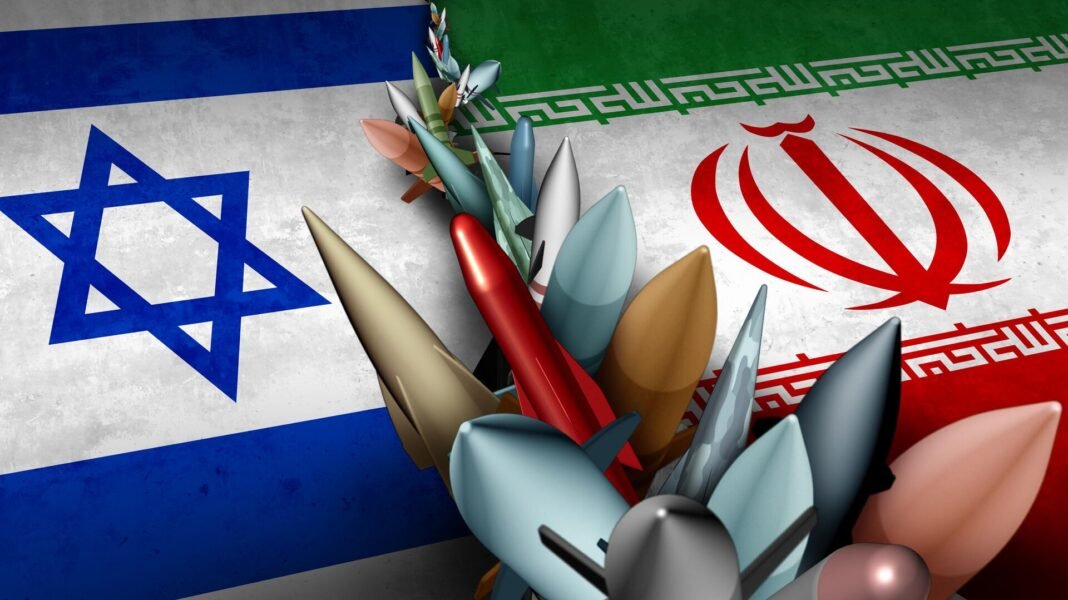
The Middle East is entering one of its most volatile phases in years as tensions between Israel and Iran intensify beyond rhetoric and covert maneuvering. What was once a carefully managed shadow conflict now shows signs of dangerous escalation, raising a critical question: are long-standing red lines finally being crossed?
With proxy attacks increasing, nuclear warnings growing louder, and global powers drawn closer to the fault lines, the risk of a wider regional conflict is no longer theoretical.
Proxy Warfare Intensifies Across the Region
Iran’s regional strategy relies on a network of proxy groups designed to pressure Israel without direct confrontation. In recent months, this strategy has intensified:
-
Hezbollah has increased its posture along Israel’s northern border, raising fears of a multi-front conflict.
-
Iran-aligned militias in Syria and Iraq have been targeted by Israeli strikes aimed at disrupting weapons transfers and command centers.
-
Yemen’s Houthis, backed by Tehran, have expanded operations that threaten regional shipping lanes and global trade.
Each escalation increases the risk of retaliation miscalculations, pushing the conflict closer to open confrontation.
Nuclear Rhetoric Raises the Stakes
At the heart of the Israel–Iran rivalry lies the Iranian nuclear program. Israel has repeatedly stated that it will not allow Iran to cross the threshold of nuclear weapon capability, describing it as an existential threat.
As diplomatic efforts stall and inspections weaken, nuclear rhetoric has sharpened on both sides. Israel’s signals suggest preparedness for preemptive action, while Iran warns that continued pressure could provoke irreversible responses.
In geopolitics, nuclear ambiguity often serves as deterrence—but in unstable regions, it can also accelerate conflict.
The United States and Gulf Nations: A Delicate Balance
The United States remains deeply embedded in regional security, backing Israel while attempting to prevent escalation that could drag American forces into a direct conflict. US military assets across the Middle East are increasingly vulnerable to proxy retaliation, narrowing Washington’s room for maneuver.
Meanwhile, Gulf nations face a strategic dilemma. While wary of Iran’s ambitions, they also seek stability to protect economic growth, energy exports, and regional investments. Diplomatic engagement with Tehran now coexists uneasily with security coordination against it.
This fragile balancing act underscores how quickly a localized conflict could become regional.
Why the Risk of Spillover Is Higher Than Ever
Several factors make the current escalation particularly dangerous:
-
Simultaneous flashpoints across multiple fronts
-
Declining effectiveness of diplomatic channels
-
Heightened involvement of global powers
A single misjudged strike or misinterpreted signal could trigger a chain reaction far beyond Israel and Iran.
Conclusion: A Region Approaching a Breaking Point
The Israel–Iran escalation marks a turning point in Middle Eastern geopolitics. What was once constrained by unspoken rules now appears increasingly unpredictable.
Whether red lines are crossed depends not just on intent, but on timing, perception, and restraint. In a region saturated with history, weapons, and unresolved grievances, the margin for error has never been thinner.