

Why 2026 Feels Like a Turning Point in Global Politics is not just a dramatic statement — it is a reality that is unfolding across continents. From rising conflicts in West Asia to global energy shocks, from shifting alliances to market volatility, the world is entering a phase where old systems are being tested like never before.
This is not just another year in geopolitics. It feels like the start of something bigger.
Why 2026 Feels Like a Turning Point in Global Politics — The Rise of Multi-Crisis World
The biggest reason behind this shift is the convergence of multiple crises at once. War, energy instability, inflation, supply chain disruptions, and climate stress are no longer separate issues — they are happening together.
A conflict in one region is now affecting fuel prices, food supply, and financial markets across the world. This interconnected pressure is creating what many analysts call a “multi-crisis world,” where one shock quickly triggers another.
The Return of Power Politics Over Global Cooperation

For years, globalization pushed countries toward cooperation. But in 2026, power politics is making a strong comeback.
Countries are now:
- prioritizing national security over global trade
- building strategic alliances instead of open partnerships
- using economic tools like sanctions and trade restrictions as weapons
This shift shows that geopolitics is no longer just about diplomacy — it is about control, influence, and survival.
Why Energy Has Become the Center of Global Strategy
Why 2026 Feels Like a Turning Point in Global Politics becomes clearer when we look at energy. Oil and gas routes are now at the heart of global tensions.
The Strait of Hormuz, for example, is not just a waterway — it is a global pressure point. Any disruption there can impact fuel prices, inflation, and economic stability worldwide.
This has turned energy into a geopolitical weapon, where control over supply and routes can influence entire economies.
Markets Are Reacting Faster Than Governments
Another key sign of change is how quickly global markets react. In 2026, financial markets are no longer waiting for outcomes — they are reacting instantly to risks.
- Oil prices rise on conflict signals
- Stock markets fall on uncertainty
- currencies weaken under pressure
This means economic consequences are being felt even before political decisions are finalized. Fear itself has become a driving force.
The Shift from Stability to Constant Uncertainty
One of the biggest changes is psychological. The world is no longer expecting stability — it is adapting to uncertainty.
In the past, crises were seen as temporary disruptions. Today, they feel continuous. Conflicts don’t fully end, tensions don’t fully disappear, and risks remain in the background.
This creates a new normal where countries, businesses, and people must constantly prepare for the unexpected.
Why This Matters to Every Country
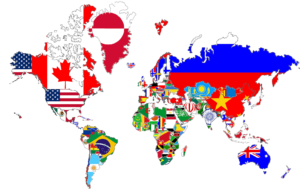
Why 2026 Feels Like a Turning Point in Global Politics is important because no country is isolated anymore.
Even nations far from conflict zones are affected through:
- rising fuel and food prices
- disrupted trade routes
- financial market volatility
- global political pressure
This means geopolitics is no longer just for policymakers — it directly impacts everyday life.
The Bigger Question: What Comes Next?
The real question is whether this turning point will lead to a more stable system or a more fragmented world.
Will countries find new ways to cooperate?
Or will competition and conflict continue to grow?
Right now, the answer is unclear. But what is certain is that the world is changing — and fast.
Final Take
Why 2026 Feels Like a Turning Point in Global Politics comes down to one simple truth: the old rules are no longer enough.
The combination of war, energy, economics, and global uncertainty is reshaping how power works. This is not just a temporary phase — it could define the next decade of global politics.
And that is why 2026 may be remembered as the year everything started to shift.
Follow us on instagram @thetejwas.
Also see-