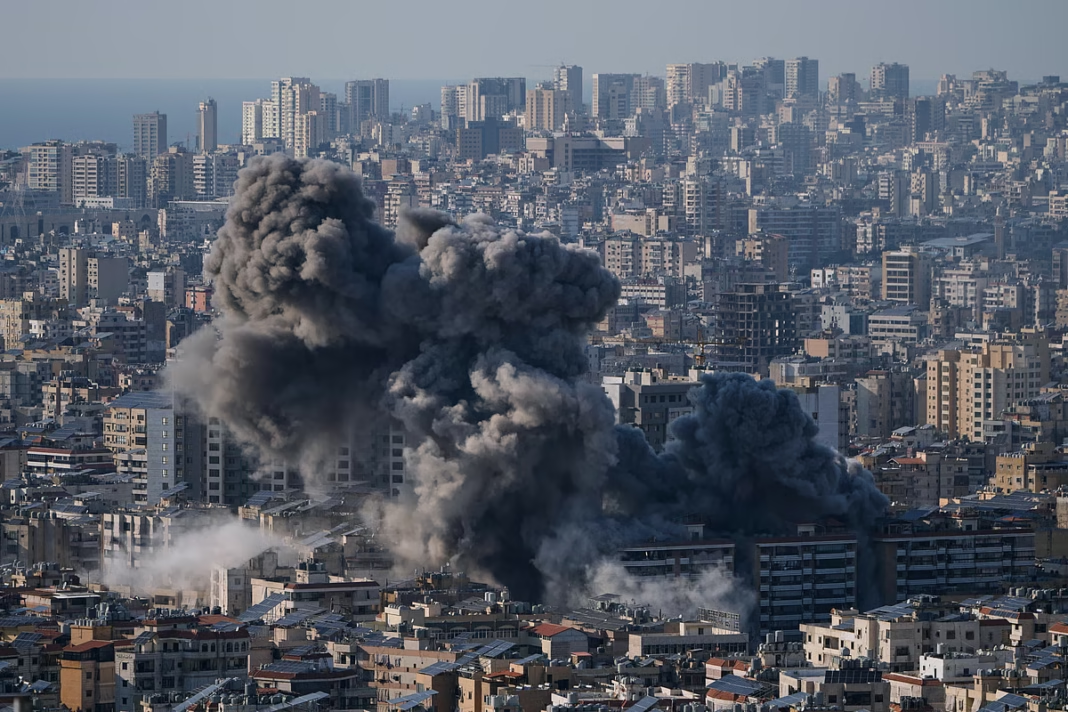

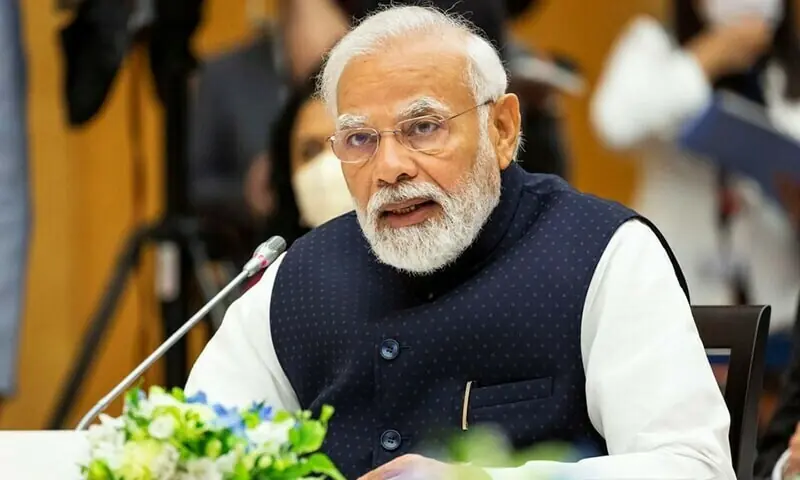
PM Modi on West Asia Conflict has now become a direct concern for India, and Prime Minister Narendra Modi made that clear during his address in the Lok Sabha. Calling the situation “worrisome,” the Prime Minister said the war has created unprecedented challenges and warned that India must remain prepared in a way similar to the COVID period. He stressed that the effects of the crisis are no longer limited to one region — they are shaking global trade, energy supply chains, shipping routes, and economic stability.
Why PM Modi’s Statement Matters
PM Modi’s remarks come at a time when the conflict in West Asia is affecting the global economy in visible ways. One of India’s biggest concerns is the Strait of Hormuz, a crucial maritime route through which a large share of the world’s oil and gas passes. Reuters reported that the near-closure of Hormuz has already disrupted shipping, gas flows, and air travel, while also threatening a major part of India’s crude oil supply chain.
In Parliament, the Prime Minister made it clear that the government is not treating this as a distant geopolitical crisis. Instead, it is viewing it as a situation with national security, energy, and economic implications for India. He said India has to stay alert, prepared, and united, much like it did during the pandemic years.
India’s Energy Shield: 41 Nations and 53 Lakh MT Reserves

A major highlight of PM Modi’s address was India’s energy preparedness. He informed Parliament that India now imports energy from 41 countries, compared to 27 countries earlier, showing a clear effort to reduce dependence on any single region. He also said India currently has a strategic petroleum reserve of more than 53 lakh metric tonnes, with expansion underway to push this beyond 65 lakh metric tonnes.
This is an important geopolitical message. In simple terms, India is trying to build an energy cushion before any larger shock hits global markets. The government’s position is that this diversification strategy, combined with reserve capacity, will help prevent panic and maintain supply even if the West Asia crisis worsens.
Indians in the Region Remain a Big Concern
Another major point raised during the address was the safety of Indians in West Asia. Reports cited from the parliamentary discussion say nearly 1 crore Indians live or work in the region, including seafarers and workers linked to key trade routes. PM Modi said he had spoken twice with West Asian leaders and assured the House that the safety of Indians remains a top priority.
This makes the conflict more than a foreign policy issue. For India, it is also about citizens abroad, shipping security, remittance stability, and emergency readiness in case the war expands further.
Government Response: Daily Monitoring and Anti-Hoarding Measures
The government has also moved into administrative response mode. According to official and media reports, an inter-ministerial group has been formed after the CCS meeting and will meet every day to track the war and its possible impact on India. PM Modi also indicated that the government is working to prevent gas hoarding and black marketing, while urging citizens to remain calm and patient.
That messaging is important because in any crisis, public panic can sometimes create supply pressure faster than the crisis itself. By combining monitoring, supply planning, and public reassurance, the Centre appears focused on avoiding both economic disruption and psychological panic.
The Bigger Geopolitical Signal

India’s response shows a careful balancing act. It is trying to protect domestic interests without appearing reactionary. On one side, India wants uninterrupted energy and shipping access. On the other, it must maintain stable ties across a sensitive region where multiple competing powers matter to its strategic interests. Reuters noted that India is continuing its balanced diplomatic approach while calling for dialogue and de-escalation.
For TEJWAS readers, the deeper takeaway is this: PM Modi’s warning was not just about fuel. It was a signal that modern wars can hit nations far away through economics, logistics, maritime choke points, and civilian vulnerability. The battlefield may be in West Asia, but the consequences can travel straight into Indian homes through prices, supply chains, and security anxieties.
Final Take
PM Modi’s Parliament address was both a reassurance and a warning. India may have stronger reserves, wider import networks, and better crisis management systems than before, but the message from the top was clear: the West Asia conflict is serious, unpredictable, and capable of triggering wider disruption. The comparison to a “COVID-like situation” was meant to underline one thing — preparation matters before the full shock arrives.
Follow us on instagram @thetejwas.