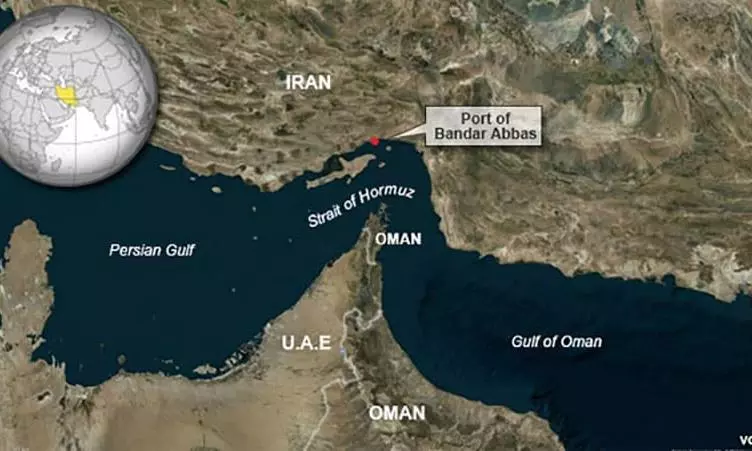


India may be heading toward one of its most strategically sensitive energy decisions in years: buying Iranian oil again despite long-standing U.S. sanctions pressure. What changed is not ideology, but crisis. The widening war around Iran has shaken global energy routes, tightened supplies across Asia, and forced major buyers to rethink old restrictions. Reuters reported that Indian and other Asian refiners are exploring Iranian oil purchases after Washington issued a temporary waiver covering cargoes already at sea.
This is not a routine oil trade update. It is a geopolitical stress signal. For India, the issue is no longer just compliance with U.S. pressure. It is about energy security, economic stability, and how far strategic autonomy can go in a moment of regional crisis.
What Has Changed Right Now?
The immediate trigger is the U.S. decision to temporarily ease sanctions on certain Iranian oil cargoes. Reuters reported that the waiver allows purchases of Iranian oil already at sea as of March 20, with offloading permitted by April 19. That has reopened a narrow but important route for Asian buyers, including Indian refiners, who are now assessing logistics, payments, and compliance risks.
This matters because India had sharply reduced Iranian oil purchases after U.S. sanctions were reimposed in 2018. For years, buying from Tehran carried too much diplomatic and financial risk. But war changes calculations. With the Strait of Hormuz under severe stress and Asian crude stockpiles low, emergency access to Iranian barrels suddenly looks much more attractive.
Why India Is Even Considering Iranian Oil Again
The answer is simple: supply pressure. Reuters reported that Asia sources a major share of its oil from the Middle East, and the war-linked disruption around Hormuz has pushed refiners across the region into a scramble for alternative or fast-available supply. India, already dealing with energy stress and LPG shortages, has strong reasons to keep every option open.
Iranian crude also carries practical appeal. It is geographically relevant for Asian buyers, historically familiar to Indian refiners, and now potentially available in large floating volumes. Reuters reported that an estimated 130 to 170 million barrels of Iranian oil are already at sea, which could offer a quick relief valve if transaction hurdles are cleared.
For India, this is less about choosing Iran politically and more about surviving a regional energy shock economically.
The U.S. Pressure Problem Has Not Disappeared
Even with the waiver, the larger pressure from Washington remains. The current U.S. move is temporary and tightly framed around stabilising markets. Reuters said the waiver is designed to cool oil prices after they surged sharply during the conflict, not to signal a permanent reset in Iran policy.
That means India must move carefully. A short-term purchase window is not the same as full diplomatic cover. Payment systems, tanker eligibility, insurance, and future sanctions exposure all remain serious concerns. Reuters also noted that refiners were still waiting for government direction and more clarity on payment terms, showing that the decision is far from automatic.
So while India may resume buying Iranian oil, it would likely do so in a limited, cautious, and highly tactical way.
Why This Decision Matters Beyond Oil
This story is about more than crude imports. It is also about India’s foreign policy posture. New Delhi has long emphasized strategic autonomy, especially in conflicts involving great-power pressure. If India reopens Iranian oil buying even under a narrow waiver, it would show that energy emergencies can push practical interests above political caution.
At the same time, India has been seeking safe passage for its vessels through Hormuz and maintaining contact with all key players in the region, which highlights how tightly diplomacy, shipping, and energy have now become linked. Reuters reported that India requested safe passage for more than 20 vessels stranded west of the strait as the crisis deepened.
This means the oil question is also a test of India’s ability to navigate between U.S. expectations, regional conflict realities, and its own domestic economic needs.
Conclusion
India may resume buying Iranian oil because the current crisis has made energy security impossible to treat as a secondary issue. The war around Iran, disruptions in the Strait of Hormuz, and the temporary U.S. waiver have together created a narrow opening that New Delhi cannot ignore. Whether India acts on it fully or cautiously, the fact that the option is back on the table says everything about how serious the situation has become.
For TEJWAS readers, the bigger lesson is clear: in a real geopolitical emergency, oil does not remain just a commodity. It becomes leverage, vulnerability, and strategy all at once.
Follow us on instagram @thetejwas.
Also see-