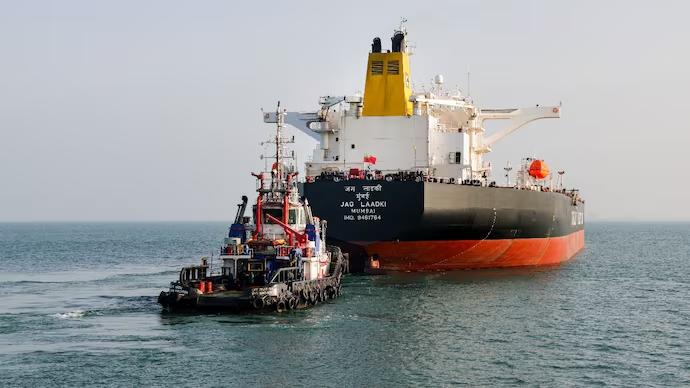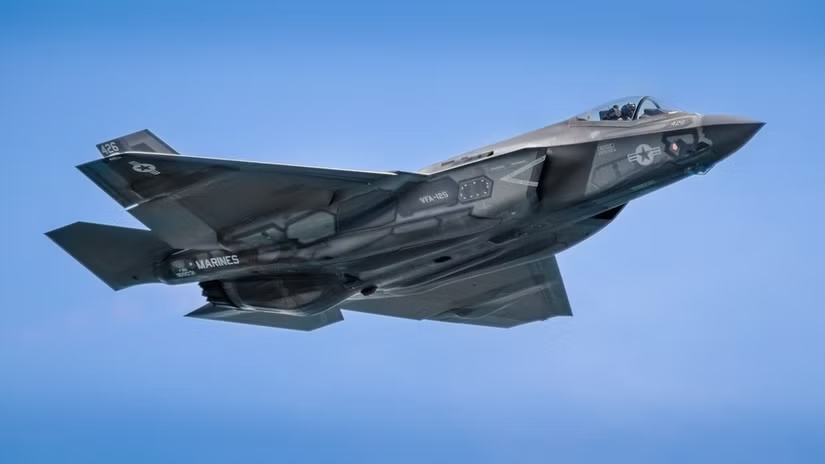


Japan may be thousands of kilometres away from Iran, but in geopolitics, distance does not guarantee safety. As the Iran crisis deepens and the Strait of Hormuz remains under severe strain, Tokyo is being pulled into a dangerous strategic equation shaped by Donald Trump’s foreign policy, global oil insecurity, and rising alliance pressure. Recent reporting shows Japan is among the countries expected to join “appropriate efforts” to reopen or secure the Strait, even as Tokyo tries to avoid direct military entanglement.
This is exactly why Japan now matters in Trump’s Iran strategy. For Washington, Japan is not just an Asian ally. It is a major economy, a US treaty partner, and a country whose energy dependence makes it highly vulnerable to disruption in the Gulf. For Tokyo, the crisis is a test of energy security, diplomatic autonomy, and strategic credibility.
Why the Iran Crisis Matters So Much to Japan
Japan’s biggest vulnerability is energy. Reuters reports that Japan sources around 95% of its oil from the Middle East, with nearly 90% of that supply moving through the Strait of Hormuz. That makes any disruption in the Gulf a direct threat to the Japanese economy.
The impact is not theoretical. The Hormuz crisis has already driven sharp oil price spikes and forced countries to consider emergency measures. Japan is now even exploring the idea of stockpiling US crude domestically as part of a broader energy-security response.
For Tokyo, this means the Iran crisis is not simply a Middle East issue. It is a national economic risk with consequences for inflation, industrial costs, and long-term strategic planning.
Trump’s Pressure and the Alliance Factor
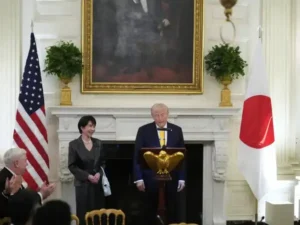
The second layer of the crisis is political. Trump has reportedly increased pressure on allies, including Japan, to contribute to efforts around the Strait of Hormuz as Washington pushes to restore maritime security and contain the fallout from the conflict. Analysts and recent reporting suggest that the Iran war is quickly becoming a real test of US-Japan ties.
From Washington’s perspective, the logic is straightforward. If Japan benefits from US military protection and depends on Gulf energy flows, then it should share more of the burden when those flows are threatened. That could involve intelligence support, logistics, diplomatic backing, or participation in coordinated maritime security efforts.
But for Tokyo, this is a delicate trap. Doing too little could make Japan look strategically weak inside the alliance. Doing too much could trigger domestic backlash and raise regional suspicion.
Japan’s Pacifist Identity Faces a Harsh Reality
Japan’s foreign policy is shaped by more than alliance logic. Since World War II, it has maintained a pacifist posture and has remained cautious about overseas military roles. That makes any request for deeper involvement in a distant conflict politically sensitive.
The challenge now is that global crises no longer stay regional. The Hormuz disruption has become one of the biggest energy shocks in recent years, with traffic collapsing, insurance costs surging, and oil markets absorbing the impact almost immediately.
As a result, Japan’s traditional model of cautious distance is becoming harder to sustain. Tokyo must now show that it can protect its interests without abandoning the restrained image that has defined its post-war identity.
The Wider Geopolitical Risk for Asia
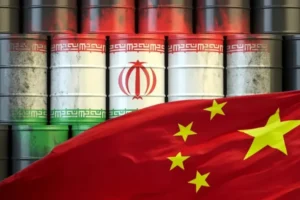
Japan’s choices will not be watched only in Washington or Tehran. They will also be studied in Beijing, Pyongyang, Seoul, and across Southeast Asia. Any expansion of Japan’s role in overseas security operations could reshape how the region interprets Tokyo’s long-term strategic direction.
That is why this crisis carries broader geopolitical risk. If Japan becomes more visibly aligned with Trump’s Iran strategy, China could use that to reinforce its narrative that Japan is gradually normalising a larger security footprint. At the same time, if Tokyo appears hesitant, Washington may question how dependable Japan is during high-stakes crises. This puts Japan in a narrow and uncomfortable middle position.
Conclusion
Japan in Trump’s Iran strategy is not a side story. It is a central example of how energy dependence, alliance politics, and geopolitical instability now intersect. Tokyo is under pressure because it cannot afford an oil shock, cannot ignore Washington, and cannot move too aggressively without strategic consequences.
The real question is not whether Japan is affected by the Iran crisis. It already is. The real question is whether Japan can defend its energy and alliance interests without being dragged into a deeper geopolitical role than it is ready to accept. In a world where conflict in the Gulf can reshape power calculations in Asia within days, Japan’s next move may matter far beyond Tehran and Tokyo.
Follow us on instagram @thetejwas.
Also see-