What Happened
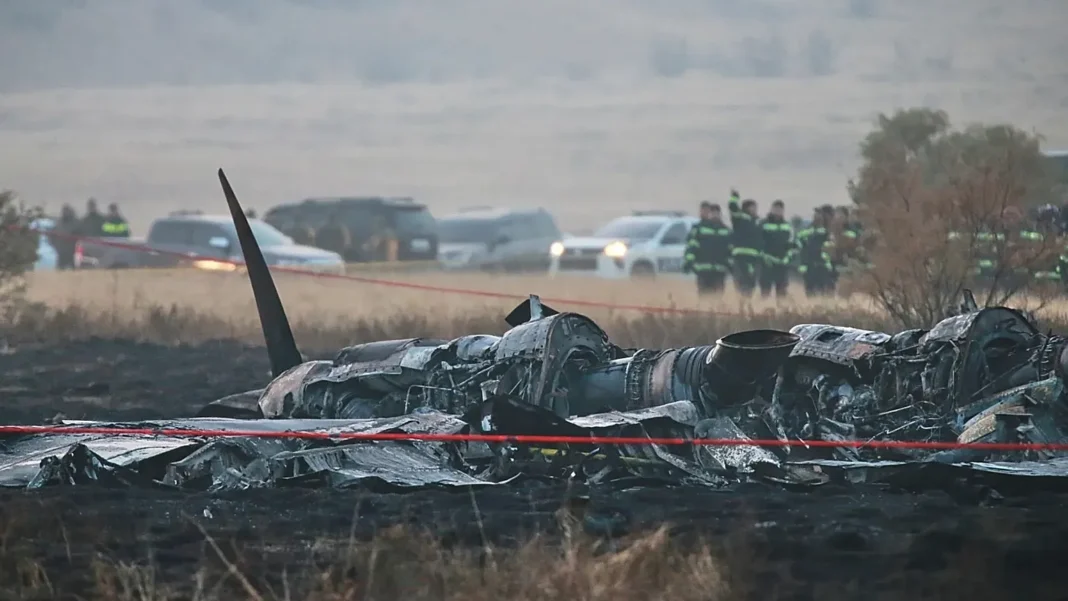
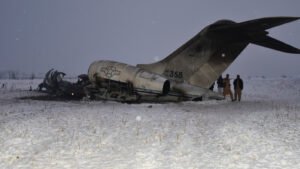
According to United States Central Command (CENTCOM), two KC-135 refueling aircraft were conducting aerial operations in the region when an incident occurred in what officials described as “friendly airspace.” One aircraft crashed in western Iraq, while the second managed to land safely after sustaining damage.
Initial reports indicate that the accident may have resulted from a mid-air collision between the two refueling tankers during operations. The KC-135 that crashed was carrying six crew members at the time of the incident.
Military officials confirmed that four crew members were killed, while rescue teams were deployed to locate and assist the remaining two personnel.
CENTCOM also emphasized that the crash was not caused by hostile fire or enemy action, although investigations are ongoing to determine the exact cause.
Strategic Role of the Aircraft
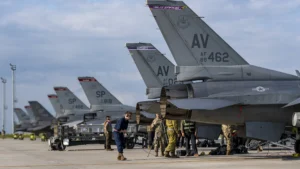
The KC-135 Stratotanker is a critical component of U.S. airpower. It performs mid-air refueling, allowing fighter jets, bombers, and surveillance aircraft to remain in combat zones for extended periods.
During Operation Epic Fury, these aircraft have been heavily used to support large-scale air operations against Iranian targets across the region. Refueling missions are particularly complex and dangerous because they require aircraft to fly in close formation while transferring fuel mid-flight.
The loss of a tanker aircraft therefore has significant operational implications, as it can temporarily disrupt aerial logistics during intensive military campaigns.
Conflicting Claims About the Crash
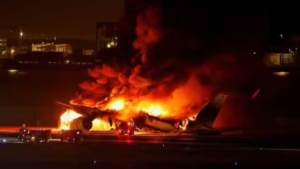
While U.S. officials described the incident as an accident, some Iran-aligned militias in Iraq have claimed responsibility for shooting down the aircraft.
However, U.S. military authorities have rejected these claims, maintaining that the crash resulted from an operational incident rather than enemy action. Investigations are currently underway to determine the precise sequence of events.
Wider Context: The Expanding Iran Conflict
The crash occurred amid the rapidly escalating 2026 Iran war, which began after the United States and Israel launched large-scale strikes on Iranian military and nuclear infrastructure in late February.
Since then, the conflict has expanded across the region, involving missile attacks, drone strikes, naval clashes, and multiple air incidents. Several aircraft—both unmanned and manned—have been lost in the course of the fighting.
The latest crash also follows earlier complications in coalition operations, including a friendly-fire incident in Kuwait in which three U.S. fighter jets were mistakenly shot down by allied air defenses, although their crews survived.
Why This Incident Matters
From a strategic perspective, the crash highlights several important realities of modern warfare:
1. High Operational Risk
Complex air operations involving dozens of aircraft increase the likelihood of accidents, especially during prolonged combat campaigns.
2. Strain on Military Logistics
Refueling tankers are essential for sustaining long-range strike missions. Losing even one aircraft can affect operational tempo.
3. Escalation Risks in the Region
The ongoing conflict has created highly congested airspace across the Middle East, raising the risk of accidents, misidentification, or unintended escalation.
The Strategic Takeaway
The crash of a U.S. refueling aircraft during the Iran war underscores the intensity and complexity of the current Middle East conflict. While not caused by direct enemy action, the incident reveals how high-tempo military operations can produce unexpected setbacks.
As the war continues, incidents like this could influence operational planning, coalition coordination, and airspace management across the region.
For now, investigators are working to determine exactly what caused the crash—and whether procedural or technical changes will be required to prevent similar incidents in the future.
Follow our page @tejwas_ for daily updates.
More from world;